
Understanding Crypto Wallets: How They Store Your Digital Assets
Explain what a crypto wallet is and how it stores digital assets.
CRYPTO WALLETS
12/19/20257 min read
What is a Crypto Wallet?
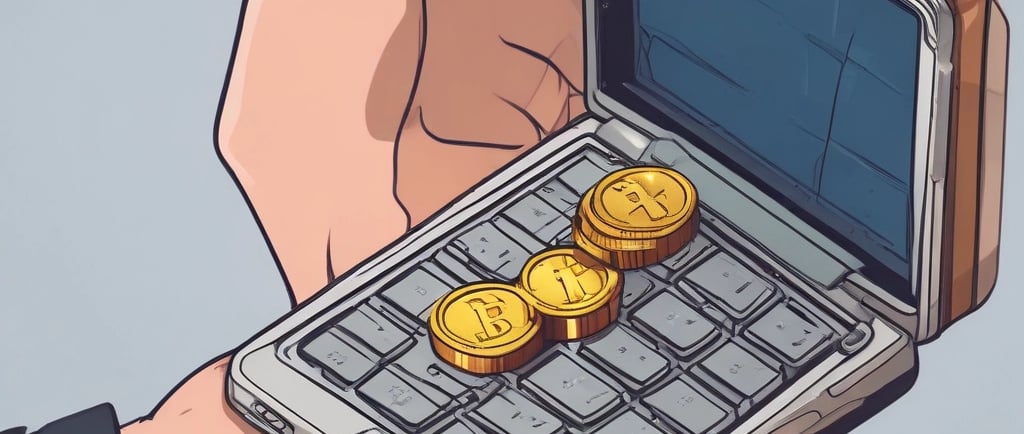
A crypto wallet serves as a digital tool specifically designed to secure and manage your cryptocurrency holdings. Much like a traditional wallet that holds physical cash and cards, a crypto wallet allows users to store, send, and receive digital currencies in a secure manner. It does not, however, store the actual coins; instead, it stores the cryptographic keys necessary for accessing your cryptocurrencies on the blockchain.
In essence, a crypto wallet acts as an interface between the user and the blockchain network, enabling seamless transactions. These wallets can be broadly categorized into two types: cold wallets and hot wallets. Cold wallets, often referred to as hardware wallets or offline wallets, are not connected to the internet, providing enhanced security against potential hacks. They are ideal for long-term storage of digital assets. On the other hand, hot wallets are connected to the internet and are typically more convenient for frequent transactions. These include mobile and web wallets, which facilitate everyday use of cryptocurrencies.
Furthermore, crypto wallets can be distinguished based on their ownership models—non-custodial and custodial wallets. Non-custodial wallets give users full control over their private keys and funds, while custodial wallets are managed by third-party service providers who hold the keys on behalf of the user. Each type of wallet serves a unique purpose depending on the user's needs, providing options for security, control, and convenience in managing cryptocurrencies.
Types of Crypto Wallets
Crypto wallets can be broadly categorized into two main types: hot wallets and cold wallets, which can further be divided into hardware and software wallets. Understanding these types is crucial for anyone looking to manage their digital assets effectively.
Hot Wallets are connected to the internet, making them easy to access for everyday transactions. They include online wallets and mobile wallets. Online wallets, such as exchanges where users trade cryptocurrencies, offer convenience but usually lack robust security. Mobile wallets, on the other hand, provide a balance between accessibility and basic security measures, coupled with the advantages of managing assets on handheld devices. However, their connection to the internet leaves them vulnerable to hacking attempts.
Cold Wallets, in contrast, are not connected to the internet and offer superior security for long-term storage of cryptocurrencies. Hardware wallets, such as Trezor and Ledger, are physical devices that securely store users’ private keys offline. They provide an excellent combination of security and usability for serious investors. Paper wallets are also a cold storage solution, where keys are printed on paper. Although paper wallets eliminate online vulnerabilities, they require careful handling to avoid loss or damage.
Each type of wallet serves different user needs. For active traders who require quick access to their funds, hot wallets are preferable. However, for those looking to store cryptocurrencies over a long timeline without frequent access, cold wallets provide increased security. Balancing convenience and security is essential when choosing the right wallet for managing digital assets.
How Do Crypto Wallets Work?
Crypto wallets operate as critical tools for managing digital assets, leveraging advanced cryptographic techniques to ensure the security and integrity of transactions. At their core, crypto wallets utilize a pair of keys—public and private keys. The public key functions like an account number, allowing users to receive cryptocurrencies. In contrast, the private key acts as a password, granting users exclusive control over their funds. It is imperative to keep the private key secure; losing it may result in the irreversible loss of access to the associated digital assets.
The interaction between crypto wallets and blockchain technology is essential for effective transaction processing. Blockchains are decentralized ledgers that record all transactions transparently while maintaining security. When a user initiates a transaction, their wallet generates a cryptographic signature using the private key, which is then broadcasted to the respective blockchain network. Miners and nodes in the network verify the correctness of the transaction based on the public key, ensuring that the sender has sufficient balance and that the transaction is valid.
Once verified, the transaction becomes a part of the blockchain, secured in an immutable format. This decentralized process ensures that no single entity has control over the transactions, enhancing the security of users' digital assets. Furthermore, wallets facilitate interactions with various cryptocurrencies, allowing users to send, receive, and store assets with ease. It is also important to note that different wallet types—such as hardware, software, and paper wallets—offer varying levels of security and convenience, accommodating the diverse needs of users in the cryptocurrency ecosystem.
Storing Digital Assets: Security and Encryption
In the realm of cryptocurrency, the security of digital assets is paramount. Crypto wallets leverage various security measures and encryption techniques to ensure that users’ funds remain protected against unauthorized access and potential theft. At the core of most secure wallets is encryption, which transforms data into a coded format that can only be deciphered by someone who possesses the correct key. This makes it exceedingly difficult for malicious actors to intercept private keys or access sensitive information.
One crucial component of wallet security is the seed phrase, which is a set of words generated by the wallet that acts as a backup for the user's private keys. Users must store their seed phrases securely, as they provide a means to recover access to digital assets. The seed phrase is essentially the key to the wallet; losing it can result in irretrievable funds. Therefore, it is vital to utilize best practices such as writing the seed phrase down on paper and keeping it in a safe place, disconnected from the digital realm.
Additionally, it is important to understand the risks associated with poor security practices. Usage of weak passwords, sharing private keys or seed phrases, and accessing wallets on unsecured networks can leave assets vulnerable. Users should also be aware of phishing attacks, where attackers pose as legitimate services to steal sensitive information. To mitigate risk, individuals should employ two-factor authentication (2FA) whenever possible and remain vigilant about the platforms they engage with.
In summary, securing digital assets involves a combination of robust encryption methods, proper management of seed phrases, and adherence to strict security protocols. For cryptocurrency holders, understanding these measures is crucial for protecting their investments and ensuring the longevity of their digital assets.
Choosing the Right Crypto Wallet for You
Selecting an appropriate crypto wallet is crucial for effectively managing your digital assets. Knowing your needs and preferences will guide you in making an informed decision. One of the first considerations should be the security features offered by the wallet. The landscape of cryptocurrencies can be fraught with risks, including hacking and theft. Therefore, opting for wallets that provide robust security measures, such as two-factor authentication and end-to-end encryption, is essential to safeguarding your investments.
Another important factor is user experience. If you are a novice in the world of cryptocurrency, a user-friendly interface will help simplify the management of your assets. Some wallets may come with complex navigation and functionalities that could be overwhelming for beginners. Look for wallets with intuitive designs that offer tutorials or guides to help you get started.
Accessibility for frequent trading is also an aspect that should not be overlooked. If you plan to trade your cryptocurrency regularly, consider a wallet that offers quick transactions and an efficient interface for seamless trading. Some wallets are more suited for long-term storage, while others provide advanced trading features that cater to active traders.
Additionally, the compatibility of the wallet with various cryptocurrencies is vital. Some wallets support a wide range of digital currencies, while others might be limited to only a few. Go through your portfolio and choose a wallet that allows you to store all the cryptocurrencies you intend to hold.
In conclusion, when choosing a crypto wallet, evaluate the security features, user experience, accessibility for frequent trades, and compatibility with different cryptocurrencies. Each of these factors plays a significant role in ensuring a safe and effective way to manage your digital assets.
Backup and Recovery Options
In the realm of cryptocurrency, safeguarding one’s digital assets is paramount. An effective backup and recovery strategy for crypto wallets is crucial, as it ensures that users can regain access to their assets in case of unforeseen circumstances, such as device loss or wallet corruption. To create a robust backup, users should frequently export their wallet's private keys or seed phrases to a secure location.
A mnemonic phrase, often comprising 12 to 24 words, is integral to the functionality of many wallets. This phrase acts as a human-readable representation of the private key, allowing for wallet recovery. Users should write down their mnemonic phrase and store it in a secure location, separate from their devices. This minimizes the risk of unauthorized access while ensuring that users can easily recover their wallets if needed.
In the event that users lose access to their wallet or forget their recovery information, several steps can be taken to mitigate the situation. First, individuals should refer to any previously made backups to retrieve their recovery seed or private keys. If a backup is unavailable, users may consider reaching out to customer support if they are using a custodial wallet service. However, for non-custodial wallets, recovery depends primarily on the backup methods employed by the user.
Additionally, some wallets offer advanced recovery techniques, such as social recovery or multi-signature setups, which enhance asset security. Engaging in preventative measures such as these can considerably bolster security. The importance of establishing reliable backup and recovery options cannot be overstated, as they provide peace of mind and reassurance when managing digital assets in the crypto space.
Future Trends in Crypto Wallet Technology
The evolution of cryptocurrency wallets is undoubtedly one of the most dynamic aspects of the blockchain ecosystem. As digital currencies continue to gain traction, several future trends are emerging that will shape wallet technology and user experience. One significant trend is the increased adoption of multi-signature wallets. These wallets require multiple private keys for a transaction to be authorized, thereby enhancing security and mitigating the risks associated with theft or loss. By involving multiple parties in the signing process, multi-signature wallets are becoming especially popular for businesses and organizations dealing with large transactions.
In addition to advancements in security, the integration of improved security protocols is expected to redefine user interactions with crypto wallets. Innovations such as biometric authentication – fingerprint or facial recognition – are being implemented to make transactions faster and more secure. These protocols not only streamline the user experience but also address common concerns related to unauthorized access and fraudulent transactions.
Furthermore, the integration of crypto wallets with other digital services is anticipated to enhance the overall usability of cryptocurrencies. As the landscape of decentralized finance (DeFi) continues to grow, wallets that offer seamless access to various services—such as lending, borrowing, and trading—will become more prevalent. This trend signifies a shift towards multifunctional wallets that act not merely as storage solutions but as comprehensive platforms for engaging with digital assets.
Predictions about the future of crypto wallets suggest that advancements in wallet functionalities will evolve hand-in-hand with the changing needs of users and the regulatory landscape. With increasing institutional interest and user maturity in the crypto space, future wallets will likely prioritize user experience and security while remaining compliant with regulations. Consequently, the trajectory of crypto wallets will be influenced by technological innovations that enhance usability while fostering trust and security.